The Future of Freelancing in 2026: 8 Trends Solopreneurs Can’t Ignore
December 10, 2025
Jamie Pierre
5 minutes
For independent professionals across Asia and other emerging markets, freelancing has become more than a side hustle. It is now a serious career path, a way to build financial independence, and a route to global opportunity. But the freelance world is changing quickly. New technologies, shifting client expectations, and new ways of working are reshaping what it means to work independently today.
This article highlights the most relevant freelancing trends for 2026, blending global developments with real shifts happening in the independent economy. These are the signals every freelancer, consultant, and solopreneur should pay attention to.
AI-enhanced workflows becoming standard practice
AI tools now sit at the center of freelance workflows. They improve productivity, speed up research and content creation, and automate tasks that previously took hours. Freelancers who adopt AI report significantly faster turnaround times without sacrificing quality. The more familiar you are with AI tools, prompts, and automation, the more competitive and efficient you become.
Clients increasingly look for problem-specific expertise instead of general skills. Whether it is sustainable design, blockchain auditing, UX research, or AI ethics, specialists are in higher demand and are often paid better. As industries grow more complex, deep domain expertise matters far more than being able to handle a wide range of tasks.
Remote and hybrid global work expanding
Remote work is not a temporary adjustment anymore. Companies in Europe, North America, the Middle East, and Australia are hiring talent from Asia and emerging regions because of strong skill sets, affordability, and cultural adaptability. Freelancers who understand remote communication, asynchronous tools, and cross-time-zone collaboration are gaining access to international clients and long-term opportunities.
Demand rising across technology, healthcare, fintech, and sustainability
The strongest freelance demand in 2026 is centered around artificial intelligence, machine learning, digital health, telemedicine, fintech innovation, blockchain commerce, and sustainability initiatives. Organisations are investing heavily in these sectors and require specialized freelance talent to support growth. Freelancers who align their skills with these high-demand areas will have more stability and higher earning potential.
Human-centric skills becoming a differentiator
As automation becomes more common, skills that are uniquely human are becoming even more valuable. Negotiation, communication, empathy, storytelling, decision making, and leadership help freelancers stand out and build long-term client relationships. These skills are now seen as core strengths that technology cannot replace.
Video-first content accelerating
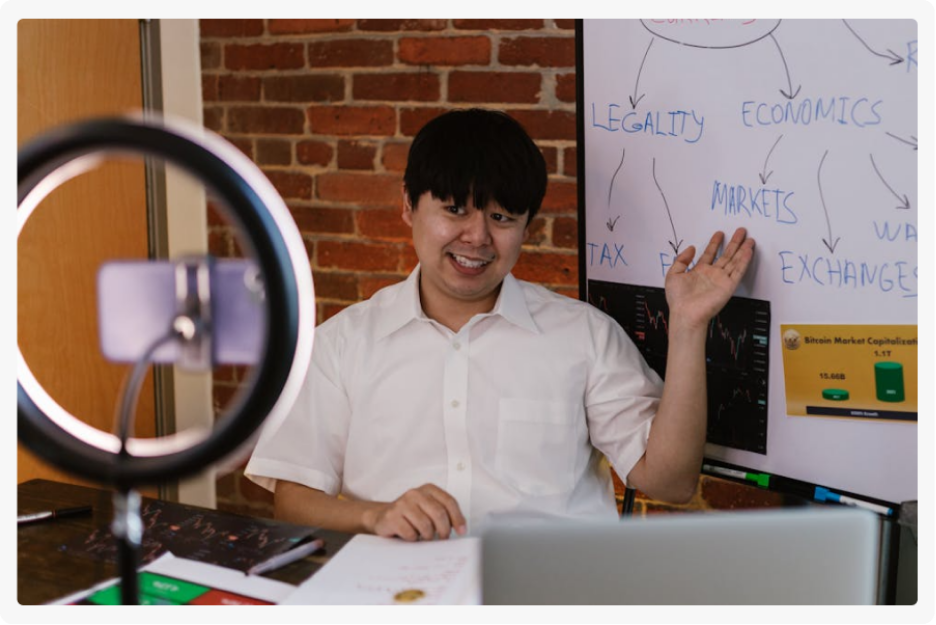
Short-form and video-based content continues to dominate online engagement. Brands want freelancers who can script, edit, produce, or manage video formats to support campaigns and community growth. Solopreneurs offering video services or using video for personal branding are seeing faster audience growth and more inbound opportunities.
Freelancers building small digital products and diversified income
More freelancers are creating templates, courses, membership communities, and micro-products. Instead of relying only on billable hours, solopreneurs are building multiple streams of income to reduce financial uncertainty. Digital tools and no-code platforms make it easier than ever to launch small scalable offerings.
Freelancers increasingly prefer all-in-one platforms that combine skill-building, community access, admin tools, invoicing, networking, and job leads. Using a single ecosystem saves time and removes friction from day-to-day tasks. This shift helps independent professionals work more efficiently and build sustainable careers without juggling multiple disconnected systems.
Why this matters in 2026
These trends make it clear that freelancing in 2026 won’t just be about finding projects, but about adapting to new skills, technologies, and ways of working. Staying informed now gives solopreneurs a real advantage as the independent economy continues to grow.
At Doerscircle, we simply want to make that journey easier by sharing insights, useful resources, and a space where independent doers can learn and support each other while focusing on what they do best.
The Future of Freelancing in 2026: 8 Trends Solopreneurs Can’t Ignore
This article highlights the most relevant freelancing trends for 2026, blending global developments with real shifts happening in the independent economy
For independent professionals across Asia and other emerging markets, freelancing has become more than a side hustle. It is now a serious career path, a way to build financial independence, and a route to global opportunity. But the freelance world is changing quickly. New technologies, shifting client expectations, and new ways of working are reshaping what it means to work independently today.
This article highlights the most relevant freelancing trends for 2026, blending global developments with real shifts happening in the independent economy. These are the signals every freelancer, consultant, and solopreneur should pay attention to.
AI-enhanced workflows becoming standard practice
AI tools now sit at the center of freelance workflows. They improve productivity, speed up research and content creation, and automate tasks that previously took hours. Freelancers who adopt AI report significantly faster turnaround times without sacrificing quality. The more familiar you are with AI tools, prompts, and automation, the more competitive and efficient you become.
Clients increasingly look for problem-specific expertise instead of general skills. Whether it is sustainable design, blockchain auditing, UX research, or AI ethics, specialists are in higher demand and are often paid better. As industries grow more complex, deep domain expertise matters far more than being able to handle a wide range of tasks.
Remote and hybrid global work expanding
Remote work is not a temporary adjustment anymore. Companies in Europe, North America, the Middle East, and Australia are hiring talent from Asia and emerging regions because of strong skill sets, affordability, and cultural adaptability. Freelancers who understand remote communication, asynchronous tools, and cross-time-zone collaboration are gaining access to international clients and long-term opportunities.
Demand rising across technology, healthcare, fintech, and sustainability
The strongest freelance demand in 2026 is centered around artificial intelligence, machine learning, digital health, telemedicine, fintech innovation, blockchain commerce, and sustainability initiatives. Organisations are investing heavily in these sectors and require specialized freelance talent to support growth. Freelancers who align their skills with these high-demand areas will have more stability and higher earning potential.
Human-centric skills becoming a differentiator
As automation becomes more common, skills that are uniquely human are becoming even more valuable. Negotiation, communication, empathy, storytelling, decision making, and leadership help freelancers stand out and build long-term client relationships. These skills are now seen as core strengths that technology cannot replace.
Video-first content accelerating
Short-form and video-based content continues to dominate online engagement. Brands want freelancers who can script, edit, produce, or manage video formats to support campaigns and community growth. Solopreneurs offering video services or using video for personal branding are seeing faster audience growth and more inbound opportunities.
Freelancers building small digital products and diversified income
More freelancers are creating templates, courses, membership communities, and micro-products. Instead of relying only on billable hours, solopreneurs are building multiple streams of income to reduce financial uncertainty. Digital tools and no-code platforms make it easier than ever to launch small scalable offerings.
Freelancers increasingly prefer all-in-one platforms that combine skill-building, community access, admin tools, invoicing, networking, and job leads. Using a single ecosystem saves time and removes friction from day-to-day tasks. This shift helps independent professionals work more efficiently and build sustainable careers without juggling multiple disconnected systems.
Why this matters in 2026
These trends make it clear that freelancing in 2026 won’t just be about finding projects, but about adapting to new skills, technologies, and ways of working. Staying informed now gives solopreneurs a real advantage as the independent economy continues to grow.
At Doerscircle, we simply want to make that journey easier by sharing insights, useful resources, and a space where independent doers can learn and support each other while focusing on what they do best.
Unlock a wealth of exclusive content
Join us and get unlimited access to a wealth of subscriber-only articles that cover a diverse range of topics, from industry trends and insights to expert tips and advice.
Once subscribed, you're also unlocking these benefits!
Leverage 120,000+ entrepreneurs for support and advice
Save time and effort with over 50 solutions for your business
Spotlight your business by getting featured on our platform
Contributors
Jamie Pierre
Chief Revenue Officer
Subscribe to our newsletter
No spam. Just the latest news and tips, interesting articles, and exclusive interviews in your inbox every month.
Thank you! Your submission has been received!
Oops! Something went wrong while submitting the form.
Contributors
Jamie Pierre
Digital Marketeer
Subscribe to our newsletter
No spam. Just the latest news and tips, interesting articles, and exclusive interviews in your inbox every month.
Thank you! Your submission has been received!
Oops! Something went wrong while submitting the form.
For independent professionals across Asia and other emerging markets, freelancing has become more than a side hustle. It is now a serious career path, a way to build financial independence, and a route to global opportunity. But the freelance world is changing quickly. New technologies, shifting client expectations, and new ways of working are reshaping what it means to work independently today.
This article highlights the most relevant freelancing trends for 2026, blending global developments with real shifts happening in the independent economy. These are the signals every freelancer, consultant, and solopreneur should pay attention to.
AI-enhanced workflows becoming standard practice
AI tools now sit at the center of freelance workflows. They improve productivity, speed up research and content creation, and automate tasks that previously took hours. Freelancers who adopt AI report significantly faster turnaround times without sacrificing quality. The more familiar you are with AI tools, prompts, and automation, the more competitive and efficient you become.
Clients increasingly look for problem-specific expertise instead of general skills. Whether it is sustainable design, blockchain auditing, UX research, or AI ethics, specialists are in higher demand and are often paid better. As industries grow more complex, deep domain expertise matters far more than being able to handle a wide range of tasks.
Remote and hybrid global work expanding
Remote work is not a temporary adjustment anymore. Companies in Europe, North America, the Middle East, and Australia are hiring talent from Asia and emerging regions because of strong skill sets, affordability, and cultural adaptability. Freelancers who understand remote communication, asynchronous tools, and cross-time-zone collaboration are gaining access to international clients and long-term opportunities.
Demand rising across technology, healthcare, fintech, and sustainability
The strongest freelance demand in 2026 is centered around artificial intelligence, machine learning, digital health, telemedicine, fintech innovation, blockchain commerce, and sustainability initiatives. Organisations are investing heavily in these sectors and require specialized freelance talent to support growth. Freelancers who align their skills with these high-demand areas will have more stability and higher earning potential.
Human-centric skills becoming a differentiator
As automation becomes more common, skills that are uniquely human are becoming even more valuable. Negotiation, communication, empathy, storytelling, decision making, and leadership help freelancers stand out and build long-term client relationships. These skills are now seen as core strengths that technology cannot replace.
Video-first content accelerating
Short-form and video-based content continues to dominate online engagement. Brands want freelancers who can script, edit, produce, or manage video formats to support campaigns and community growth. Solopreneurs offering video services or using video for personal branding are seeing faster audience growth and more inbound opportunities.
Freelancers building small digital products and diversified income
More freelancers are creating templates, courses, membership communities, and micro-products. Instead of relying only on billable hours, solopreneurs are building multiple streams of income to reduce financial uncertainty. Digital tools and no-code platforms make it easier than ever to launch small scalable offerings.
Freelancers increasingly prefer all-in-one platforms that combine skill-building, community access, admin tools, invoicing, networking, and job leads. Using a single ecosystem saves time and removes friction from day-to-day tasks. This shift helps independent professionals work more efficiently and build sustainable careers without juggling multiple disconnected systems.
Why this matters in 2026
These trends make it clear that freelancing in 2026 won’t just be about finding projects, but about adapting to new skills, technologies, and ways of working. Staying informed now gives solopreneurs a real advantage as the independent economy continues to grow.
At Doerscircle, we simply want to make that journey easier by sharing insights, useful resources, and a space where independent doers can learn and support each other while focusing on what they do best.
For independent professionals across Asia and other emerging markets, freelancing has become more than a side hustle. It is now a serious career path, a way to build financial independence, and a route to global opportunity. But the freelance world is changing quickly. New technologies, shifting client expectations, and new ways of working are reshaping what it means to work independently today.
This article highlights the most relevant freelancing trends for 2026, blending global developments with real shifts happening in the independent economy. These are the signals every freelancer, consultant, and solopreneur should pay attention to.
AI-enhanced workflows becoming standard practice
AI tools now sit at the center of freelance workflows. They improve productivity, speed up research and content creation, and automate tasks that previously took hours. Freelancers who adopt AI report significantly faster turnaround times without sacrificing quality. The more familiar you are with AI tools, prompts, and automation, the more competitive and efficient you become.
Clients increasingly look for problem-specific expertise instead of general skills. Whether it is sustainable design, blockchain auditing, UX research, or AI ethics, specialists are in higher demand and are often paid better. As industries grow more complex, deep domain expertise matters far more than being able to handle a wide range of tasks.
Remote and hybrid global work expanding
Remote work is not a temporary adjustment anymore. Companies in Europe, North America, the Middle East, and Australia are hiring talent from Asia and emerging regions because of strong skill sets, affordability, and cultural adaptability. Freelancers who understand remote communication, asynchronous tools, and cross-time-zone collaboration are gaining access to international clients and long-term opportunities.
Demand rising across technology, healthcare, fintech, and sustainability
The strongest freelance demand in 2026 is centered around artificial intelligence, machine learning, digital health, telemedicine, fintech innovation, blockchain commerce, and sustainability initiatives. Organisations are investing heavily in these sectors and require specialized freelance talent to support growth. Freelancers who align their skills with these high-demand areas will have more stability and higher earning potential.
Human-centric skills becoming a differentiator
As automation becomes more common, skills that are uniquely human are becoming even more valuable. Negotiation, communication, empathy, storytelling, decision making, and leadership help freelancers stand out and build long-term client relationships. These skills are now seen as core strengths that technology cannot replace.
Video-first content accelerating
Short-form and video-based content continues to dominate online engagement. Brands want freelancers who can script, edit, produce, or manage video formats to support campaigns and community growth. Solopreneurs offering video services or using video for personal branding are seeing faster audience growth and more inbound opportunities.
Freelancers building small digital products and diversified income
More freelancers are creating templates, courses, membership communities, and micro-products. Instead of relying only on billable hours, solopreneurs are building multiple streams of income to reduce financial uncertainty. Digital tools and no-code platforms make it easier than ever to launch small scalable offerings.
Freelancers increasingly prefer all-in-one platforms that combine skill-building, community access, admin tools, invoicing, networking, and job leads. Using a single ecosystem saves time and removes friction from day-to-day tasks. This shift helps independent professionals work more efficiently and build sustainable careers without juggling multiple disconnected systems.
Why this matters in 2026
These trends make it clear that freelancing in 2026 won’t just be about finding projects, but about adapting to new skills, technologies, and ways of working. Staying informed now gives solopreneurs a real advantage as the independent economy continues to grow.
At Doerscircle, we simply want to make that journey easier by sharing insights, useful resources, and a space where independent doers can learn and support each other while focusing on what they do best.
Unlock a wealth of exclusive content
Join us and get unlimited access to a wealth of subscriber-only articles that cover a diverse range of topics, from industry trends and insights to expert tips and advice.
Learn how to run discovery calls that qualify clients, protect your expertise, and prevent free consulting sessions. Practical scripts and frameworks included.


.png)






.png)

.png)
.png)


.png)
.png)
.png)
.png)
.png)
